Rise in Black voter turnout helps drive historic change in Georgia, transforming state government
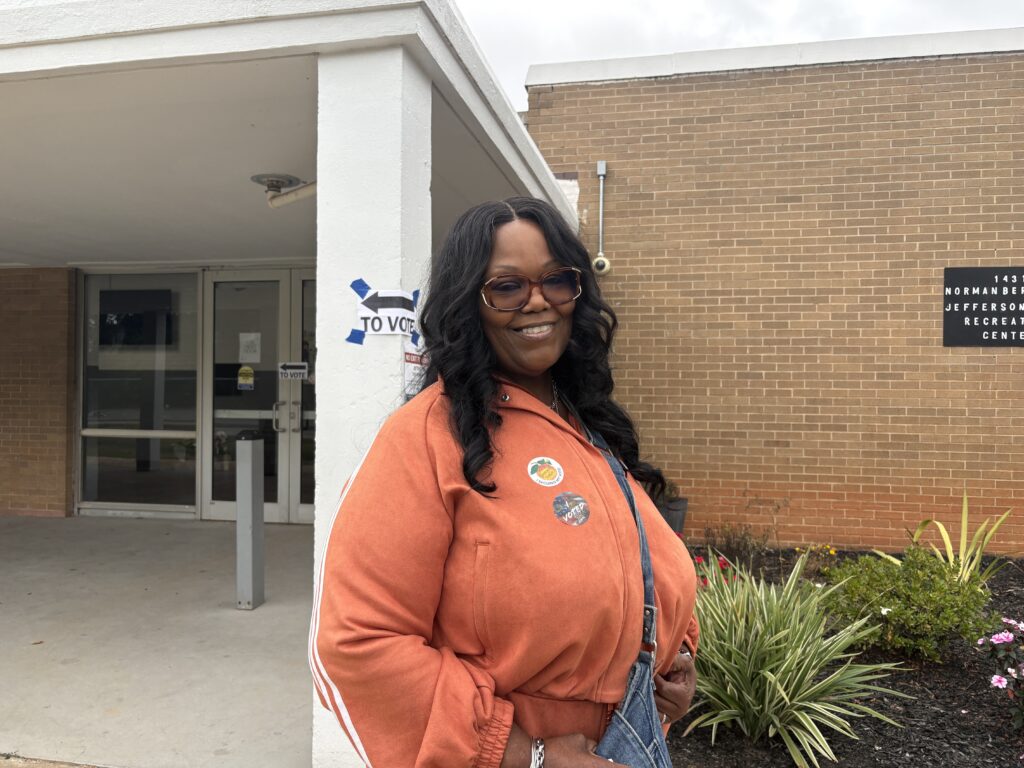
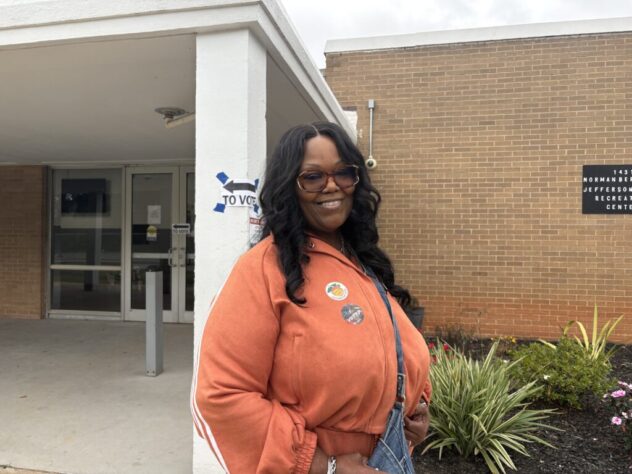
Dondell Patterson spent much of Election Day nervously awaiting the results. Months after launching her own unsuccessful bid for chief magistrate judge in Douglas County, the 47-year-old attorney gathered alongside fellow Democratic voters at a hotel in downtown Atlanta on election night to watch the vote count trickle in. “I think today everybody was on eggshells, just wishing and hoping for the best,” she said. By the end of the night, eight Black women had been elected to statewide offices, helping to flip the state blue up and down the ballot. Patterson’s own run for office, she said, was a great learning experience, even though the outcome wasn’t what she hoped for. But being able to watch so many other Black women declare victory came as a welcome — and inspiring — shift. “It means a lot,” she said. “I have two girls at home, and I can tell them now: You can be whatever you want. You can be a governor. You can be an attorney general. You can be secretary of state.” In Georgia and other states across the South, Black voters have become an increasingly powerful force. Over 1.1 million Black people cast a ballot in the Peach State this year, with turnout among Black voters increasing more than 11% since Georgia’s last midterm elections in 2022. White turnout, on the other hand, shrank by 8%. Black voters are also some of the most reliably Democratic members of Georgia’s electorate, playing a key role in pushing Democratic candidates across the finish line. According to data from the Associated Press , nine in 10 Black men voted for Democratic Gov.-elect Keisha Lance Bottoms this year, up from the roughly 75% who supported former Vice President Kamala Harris’ presidential campaign in 2024. According to exit polling from NBC News , Bottoms’ share of support among Black women was even higher, with 93% casting their vote for her, up from the 91% who voted for Harris. LaTosha Brown, a co-founder of the nonpartisan voting rights group Black Voters Matter, said she was excited to see more people engaging with the democratic process. “For us to see that kind of increase in a midterm election is pretty significant,” Brown said. US Supreme Court limits use of race in congressional district remaps, diluting Voting Rights Act Brown, whose organization has spent a decade on the ground in Georgia, said that the Supreme Court’s decision to weaken a key provision of the Voting Rights Act also served as a “lightning rod” for political organizers across the South, and caused many voters of color to see the election more urgently than they had before. “We just want fair and free elections,” she said. “I think the majority of people in this country want that, right? And so I believe that [redistricting] absolutely served as a vehicle to get people to pay more attention.” The gains this year also went beyond the traditional Democratic strongholds of metro Atlanta, she added. Voters in rural parts of the state were also signaling a need for change, pressing for greater access to healthcare in rural areas and pushing back against the influx of data center proposals. But the outcome of this year’s election, Brown said, was not just a reflection of the changing political tide in Georgia. Voters were hoping to put a check on policies from Republican leadership that targeted immigrants and caused large swaths of the country to lose access to aid through federal safety net programs like the Supplemental Nutrition Assistance Program, or SNAP . “It really does matter to us how human beings are…
Originally published by News From The States.
Read the original article