How SC investigators found a rural wastewater manager hid 3 years of E. coli contamination
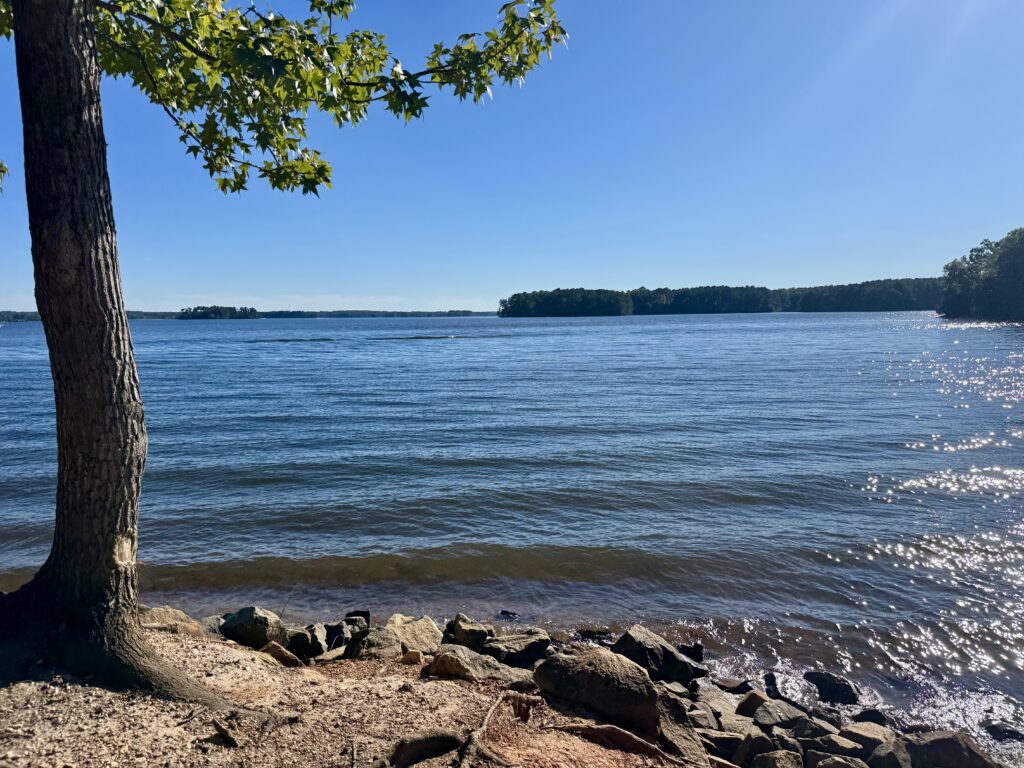
A nearly 45-year-old wastewater treatment plant owned by the town of Saluda was on the radar of South Carolina environmental regulators long before prosecutors charged its manager with violating federal law. The Saluda Wastewater Treatment Plant racked up 100 violations over the past three years, most of them minor to medium-level, federal reports show. “I don’t think it was at a code red level: oh my gosh you wouldn’t believe what’s going on, this is the Chernobyl of sewage plants up here,” Winston Holliday, the federal prosecutor assigned to the case, told the SC Daily Gazette earlier this month. “I don’t think it was anything like that.” But regulators at the state Department of Environmental Services had been trying to get the operators of the plant, which serves the rural South Carolina municipality’s roughly 3,000 residents, to clean up its discharge into the Little Saluda River, a tributary of Lake Murray, said Kirk Corley, a senior special investigator for the agency. When their advice went unheeded, they tapped Corley’s three-man investigative team to pursue criminal charges. Then, in July 2025, more than 1,500 fish died a mile downstream of the plant after an E coli. contamination choked the oxygen from the water of the slow-moving, shallow river that Corley said is little more than a creek. The probe heated up, and what state and federal investigators found was not only permit violations but attempts to hide the problem. John Lorick, senior manager for the Saluda Commission of Public Works, diluted water samples to conceal E. coli levels elevated due to an inoperative chlorination system. And on dozens of occasions over more than three years, he allowed raw, untreated sewage to be released directly into the river. How much sewage is unknown because the spills happened over such a long period, according to the agency. “When you have somebody falsifying records, you know you’re there. You’re in criminal territory immediately,” Holliday said. A wastewater manager faces 3 years in prison for hiding 3 years of E. coli contamination from SC State regulators had been watching the daily water reports that wastewater plant operators were required to file. “Our regulatory staff knows what a (daily monitoring report) should look like. They know what a healthy plant, a well-run plant or a horrible plant looks like. They’re evaluating these (reports) and they’re going, these numbers just don’t look realistic,” Corley told the SC Daily Gazette. What they saw were numbers that were impossibly clean and they started taking their own samples downstream. “On one of the days, when our regulatory staff went out and sampled it, the outflow came back with an astronomical number in E. coli,” Corley said. “That same day, Lorick had reported a number less than one. So, we had the same day and we had two very different readings. “ From there, investigators looked at shipment records of how much chlorine came into the plant. They noticed the plant was using way less than what was expected for a working system. A concerned resident told investigators he had heard about goings on at the plant. “He saw kids fishing and getting fish from the creek and it just bothered him so bad,” Corley said. And interviews with current and former employees confirmed those suspicions. For a while, Lorick, of Ninety-Six, denied any wrongdoing, Corley said, but eventually admitted his actions. On Oct. 29, Lorick entered a guilty plea in federal court for violations of the federal Clean Water Act. The Greenwood County resident faces a maximum penalty of three years in federal prison and fines between $5,000 and $50,000…
Originally published by News From The States.
Read the original article