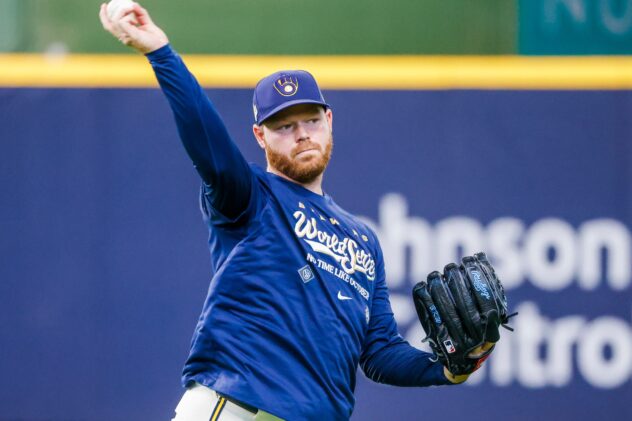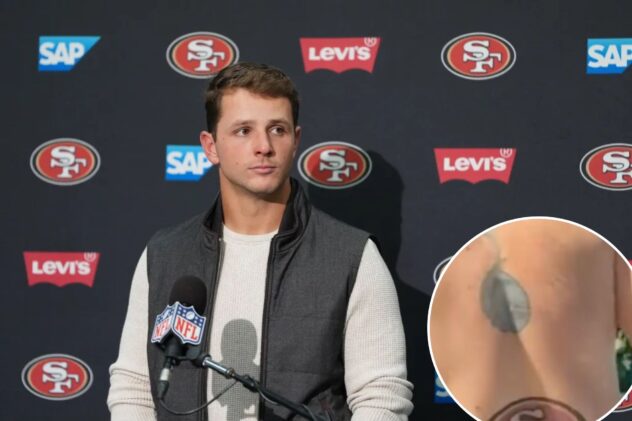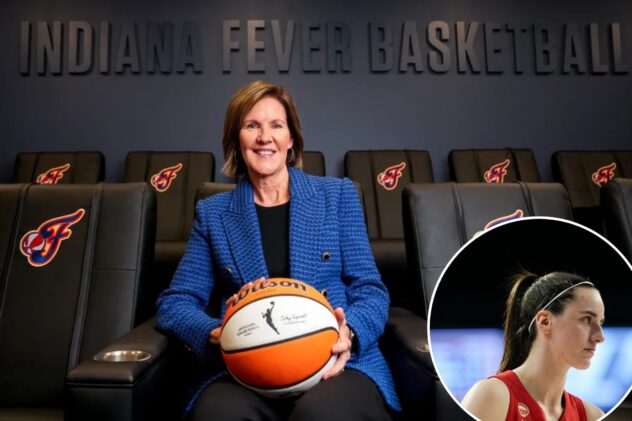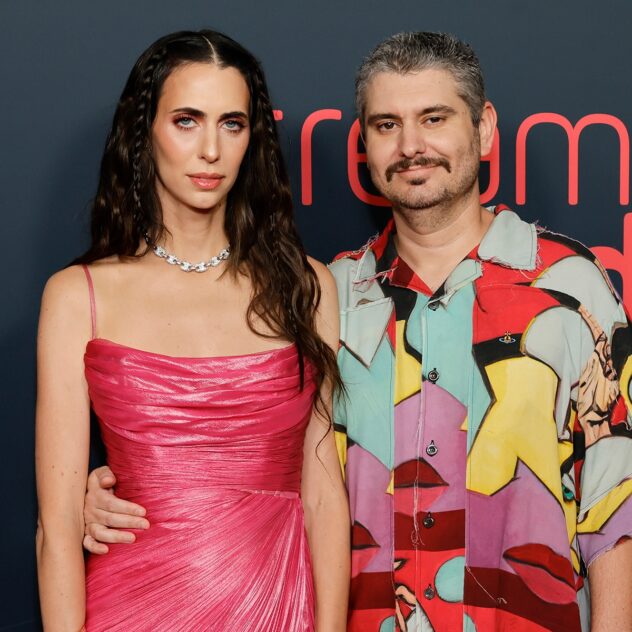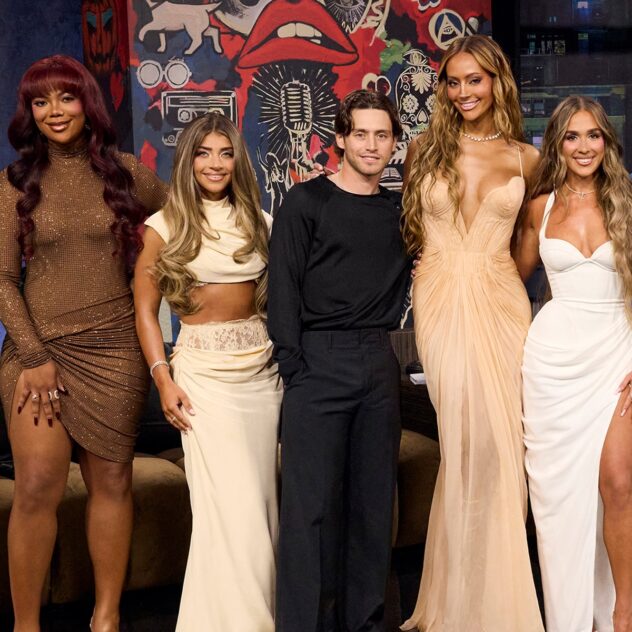


Bandleader Femi Koleoso brings together the England and Arsenal star, the musician and the artist to discuss adversity, creativity and Black British culture
• ‘On the other side of pain there can be renewal’: Ezra Collective’s Femi Koleoso on reasons to hold onto hope
• ‘Like painting with light’: photographer Temi Adegbayibi on capturing the energy of music
• My cultural awakening , featuring Ezra Collective
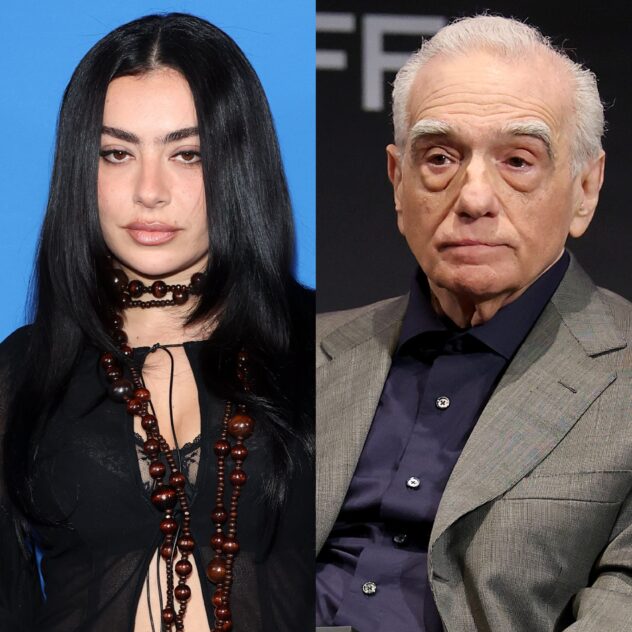
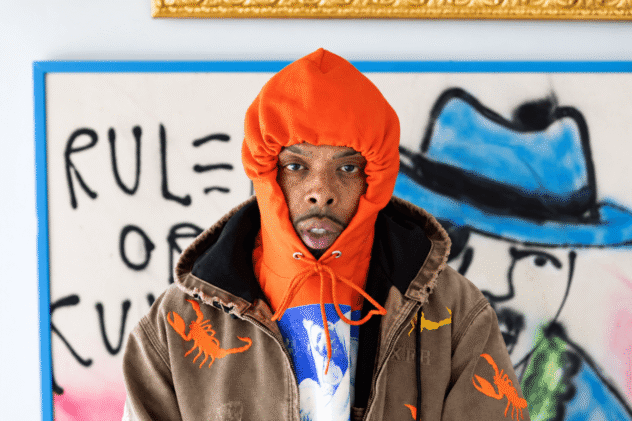
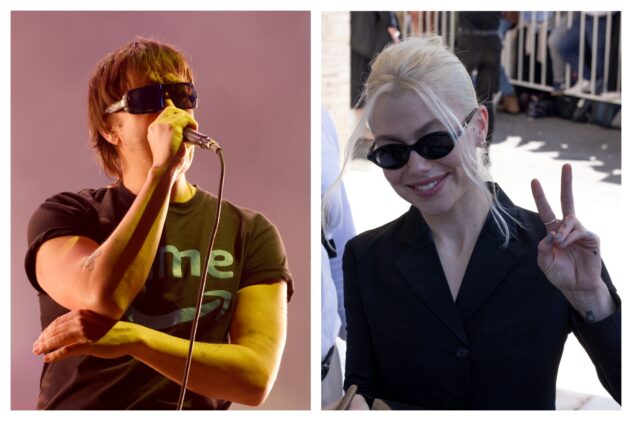
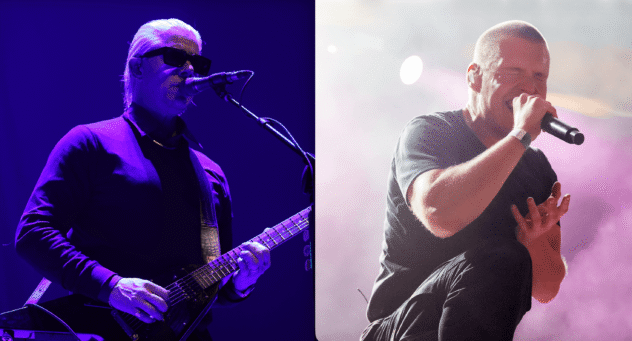
Femi Koleoso I wanted to bring together people who inspire me and whose work I think evokes hope and joy. Yinka, the first time I saw your work I thought: this is exactly what joy looks like – it’s bold, colourful and the perfect embodiment of that feeling. Leona’s music has brought me joy ever since hearing you when you were on The X Factor. You’re one of the most iconic Black British singers we’ve ever had. With you, Eberechi, your transfer to the Gunners meant a lot to a lot of Arsenal fans, but personally it was a really beautiful way of seeing that things do work out for the good people. Can you tell me about your journeys to where you are now?
Leona Lewis I grew up in Hackney and I was surrounded by music because my dad was a DJ. He had a million records he would play all the time. I gradually discovered people like Whitney Houston, Chaka Khan and Oleta Adams mainly through my dad and I got really drawn to powerful female singers. I started singing all the time. When I was at school, I had a hard time because I was bullied – singing and writing music became a way to find my voice, my joy and my confidence. From then, I knew music was what I was going to do with my life: I didn’t know how I would get there but I knew I had to. It’s interesting that you do a lot of youth work, Femi, because I went to a lot of youth groups in north London while I was getting into music and then from 14 to 17 I enrolled in the Brit School. It helped me establish my voice and since then I’ve always been obsessed with music and it’s become my therapy: my joy, my pain, everything.