Meta and Unity say they extended their “multi‑year platform support and enterprise agreement” for VR.
Announced in April, Unity said the extension “deepens the companies’ long‑standing collaboration in virtual reality”.
“Meta is the world’s leading VR platform, and we’re proud that Unity powers the majority of its top‑selling VR games,” said Alex Blum, COO, Unity, in a prepared statement. “Great content is what makes VR successful. By pairing Meta’s hardware and OS leadership with Unity’s role as the assembly point for interactive content creation, we’re making VR accessible to more developers so they can develop, deploy, and grow their games and business applications on Meta’s VR devices.”
“Unity is a critical partner for Meta across multiple initiatives, including our investment in the VR developer community,” said Ryan Cairns, VP, Virtual Reality, Meta, in a similar statement. “By extending our long-standing partnership, we’re making it easier for developers to bring high‑quality, performant experiences to the millions of people who use Meta’s VR devices.”
 David Heaney
The announcement came just over a year after Meta deprecated its proprietary XR Plugin for Unity and recommended that developers use the built-in Unity OpenXR plugin, alongside Meta-specific OpenXR extensions and the higher-level optional Meta XR Core SDK.
The close partnership between the two companies was strained at Meta Connect 2025, however, where Meta’s flagship VR announcement was the release of its own Horizon Engine for Horizon Worlds, Horizon Hyperscape, and Horizon Home, which it said was technically superior compared to Unity and could support 4x faster loading and 100+ users in the same instance.
“This engine is fully optimized for bringing the metaverse to life. It is much faster performance and to load things, much better graphics, much easier to create with”, Zuckerberg claimed.
 David Heaney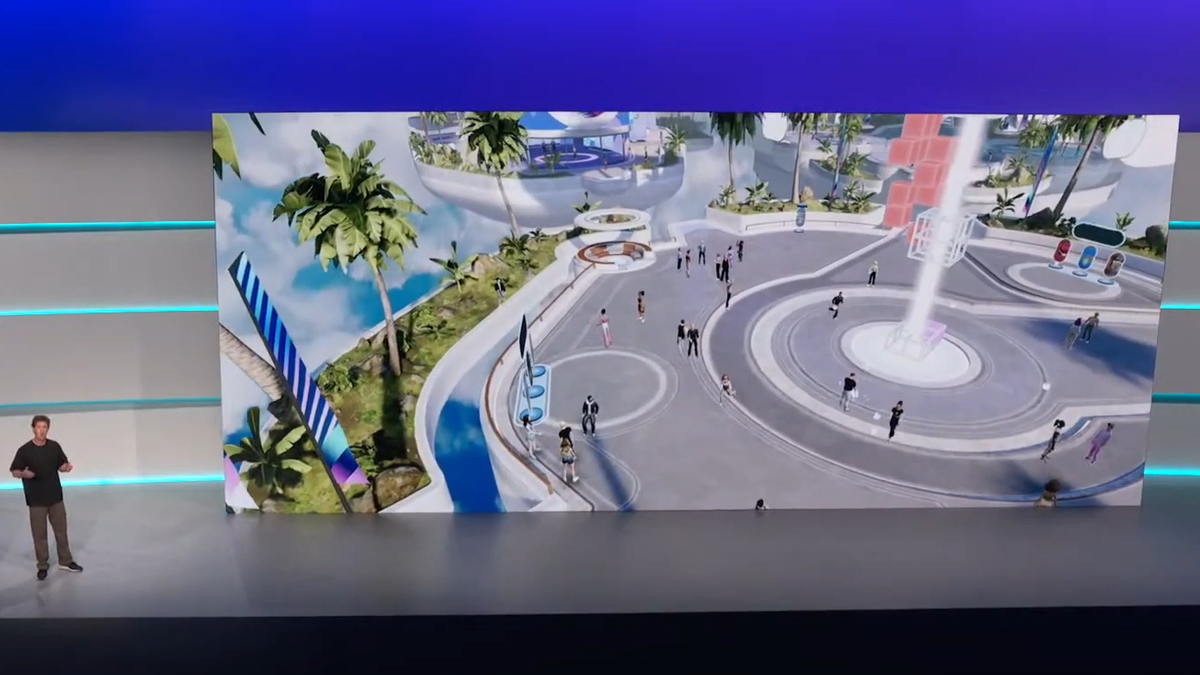
Of course, in March, Meta announced that Horizon Engine would fully refocus on flatscreen platforms, smartphones and the web, dropping support for virtual reality, as part of the wider retreat of Horizon Worlds from VR.
With Horizon Engine out of the picture for VR, Meta seems to be redoubling its partnership with Unity, and it has once again become the company’s primary recommendation for building games for its headsets – though it now recommends its Meta Spatial SDK for bringing flatscreen apps to Horizon OS.
I’m actively writing on UploadVR again, and this article is one in a series of “catch up” pieces where I report on some of the interesting things that have been happening in the industry in recent months. And yes, VR Download is coming back soon!