Spending on speakers, concerts, more to prevent addiction spurs calls for oversight
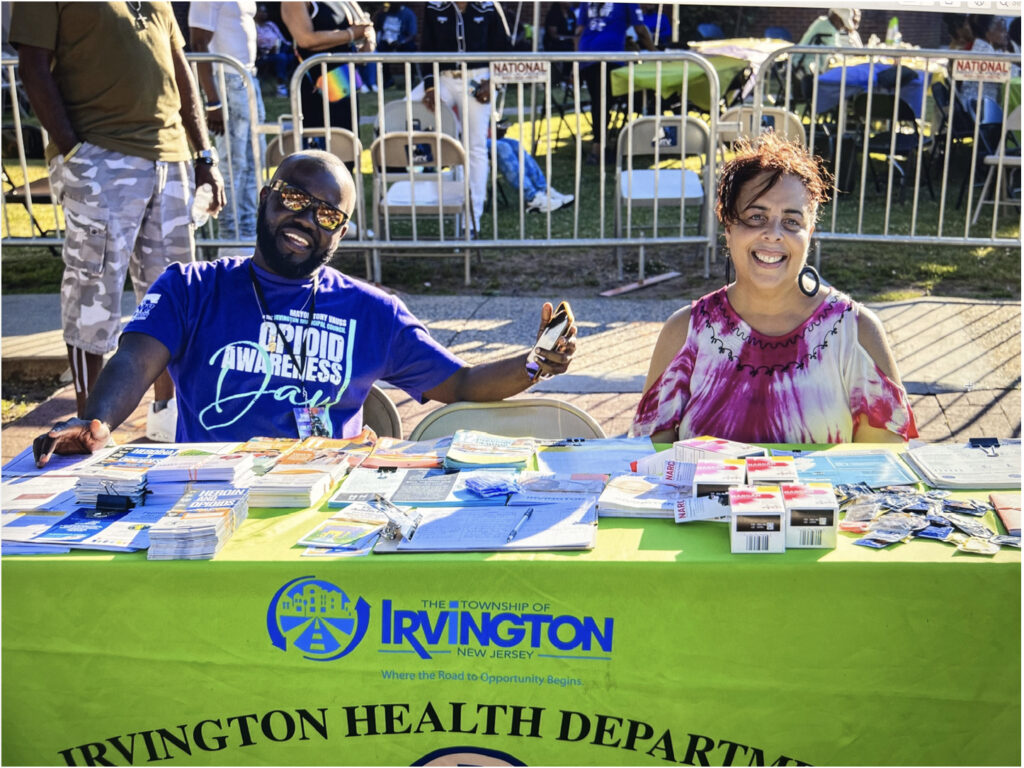
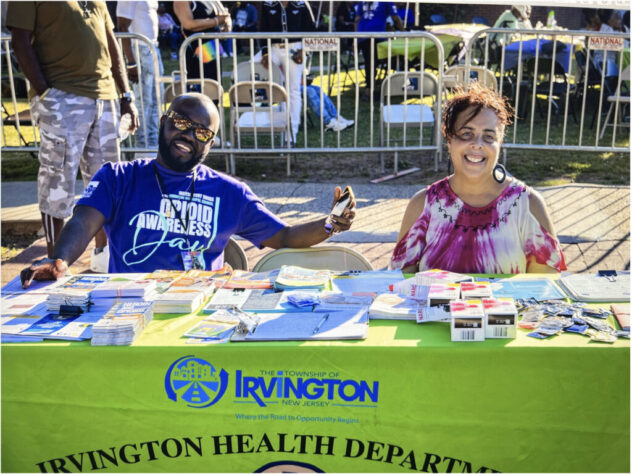
To Bre Azanedo, the best addiction and overdose prevention fits neatly into her wheeled work tote, which looks like a cross between an airplane carry-on and a handyman’s toolbox. The “Rover” — as her group, Harm Reduction Inc., calls it — carries life-saving supplies like sterile syringes, naloxone, wound care supplies, and fentanyl test strips, and makes it easy for Azanedo and her coworkers to reach drug users wherever they are. Municipalities and counties across New Jersey, though, have interpreted addiction prevention so broadly that they’ve spent millions in opioid settlement funds on motivational speakers, “drug awareness” concerts and festivals, summer camps and retreats, graduation parties, household mailers, art and poster projects, and more. Azanedo said she’s reluctant to accuse anyone of malicious motives, because she knows prevention and awareness can take many forms. But she said such spending underscores one message harm reductionists have tried to get across since the money started flowing in 2022 — that people with lived experience and those who work in impacted communities know best how to fight addiction and should be, but often aren’t, involved in spending decisions. “There’s a lot of folks that are new to harm reduction in New Jersey, and so they don’t feel that it’s clear enough what to spend the funds on,” she said. “I think we’re super clear. We have been in the community, day to day, doing the work, reversing the overdoses, building the relationship with the community members. We have done the best work, and we have done it for years with little to no funding.” Her group hasn’t gotten any of the millions pharmaceutical companies have paid to atone for the deadly opioid epidemic their drugs fueled. New Jersey, its 21 counties, and 241 of its biggest municipalities are expected to get $1.1 billion through 2038. Several New Jersey lawmakers have introduced two bills to tighten oversight of opioid spending, but neither explicitly bars some of the things municipal and county officials have paid for in the name of prevention and education. A New Jersey Monitor analysis of opioid settlement spending reports filed last month shows that local governments spent about $1 million in the fiscal year that ended June 30 on school speakers, curricula, scholarships, after-school programs, and other classroom programs for students as young as first grade. They described the spending as prevention and education. Speakers typically were people who overcame drug addiction or lost loved ones to overdoses. But the topics of other talks offered no explicit link to opioid addiction, with speakers addressing cyberbullying, learning disabilities, life skills, leadership, drunk driving, cigarettes, vapes, marijuana, stress and anxiety, and mental health. Elizabeth Burke Beaty, founder and CEO of Sea Change Recovery Community and Harm Reduction Center in Ocean County, said speakers can be effective, but she thinks students would be better served if they focused more on “reality” and practical information such as how xylazine and fentanyl are different and what kinds of overdoses naloxone can and cannot reverse. “Can we please just accept the fact that kids need to be educated and not scared?” she said. The spending reports show that counties and municipalities paid even more — close to $2.5 million — for community-based programs, events, summer camps, and services meant to prevent or educate residents about drug addiction. Seniors were a frequent target audience, with several programs aimed at preventing misuse of medications. But other spending angered advocates, with some officials squandering thousands on concerts, festivals, and parties even though former state Comptroller Kevin Walsh blasted Irvington last year for spending more than $600,000 on two drug awareness…
Originally published by News From The States.
Read the original article