Rabies vaccine hesitancy a recurring topic for NH veterinarians, legislators
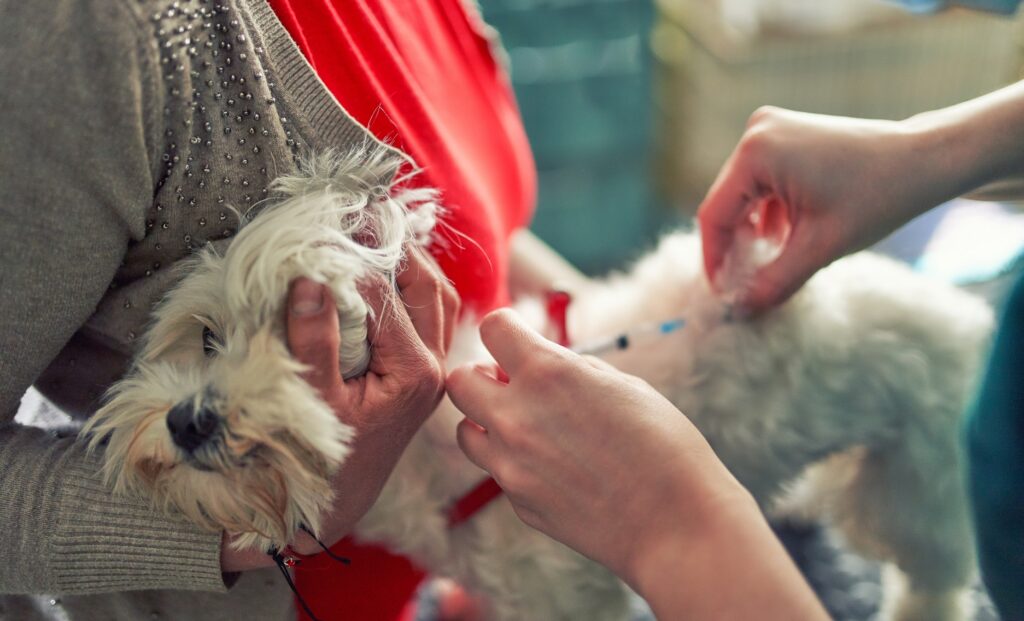
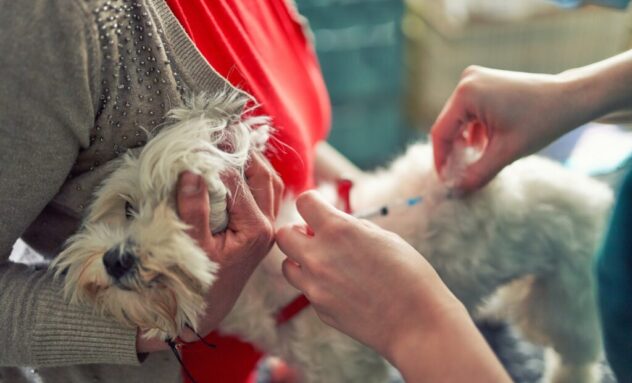
Last month, the House Environment and Agriculture Committee recommended reconsidering the contents of a sidelined bill from last session: House Bill 1488 , which sought to increase rabies vaccine exemptions for New Hampshire pets. The bill was sent for interim study by the full New Hampshire House in March and, with the 2026 session closed and the biennium winding down, was no longer eligible for passage. Instead, the committee voted, 10-1, to recommend the topic be addressed in future legislation. That move came as a surprise to some. “Truthfully, we didn’t think it was going to go as far,” said Dr. Jane Barlow Roy, who chairs the legislative committee of the New Hampshire Veterinary Medical Association. That’s because there is broad consensus among veterinarians that the rabies vaccine — which protects against a disease both transmissible to humans and universally fatal — is safe and life-saving. Yet the bill was driven forward by pet owners concerned about the rare but non-zero occurrence of adverse reactions to the vaccine, reflecting the increasing hesitancy around both human and pet shots that is driving the resurgence of some infectious diseases in the U.S. Committee members said at an October work session they wanted to keep the door open to potential future changes to rabies vaccine guidance and ensure the topic is revisited if more information becomes available. But answering some of the questions raised by pet owners and legislators, veterinarians said, will require research that is complicated and ethically fraught. A lethal disease For household dogs, cats and ferrets, rabies is the only vaccine required by New Hampshire state law. The viral illness is transmitted when saliva from an infected animal touches broken skin or mucous membranes like those inside the mouth, nose and eyes. The virus moves slowly through nervous tissue, incubating for weeks or more before symptoms like fever, headache, confusion, vomiting, and, later, aggression, difficulty swallowing or paralysis begin to manifest. While post-exposure treatment can prevent the disease from progressing if it is administered soon enough, once symptoms appear, the disease is considered incurable. Wildlife are the most common transmitters of rabies in the U.S., where the prevalence of vaccines has reduced both the disease’s incidence in domestic animals and the rabies death rate in humans and pets. But globally, about 70,000 people die of rabies each year, and more than 99% of people who get the disease outside the U.S. are infected by a dog , according to the Centers for Disease Control and Prevention. In the U.S., there was an unusually high number of human exposures documented this year, according to the CDC. And recent research suggests that the disease is responsible for more human deaths nationwide than scientists once believed. Hesitancy Kelly Arsenault, a Sandown Realtor, is skeptical about some vaccines. But rabies, she said, is not one that she skips when she brings her small dogs to the vet. “I believe in the ability of the body to heal,” she said. “However, rabies is not one of them — and I know that — it is not one of those that the body is going to heal from.” Yet Arsenault, who has for years worked to help rehome and rescue small dogs, also has questions about the rabies vaccine. More than 150 dogs, most of them fluffy and weighing under 15 pounds, have passed through Arsenault’s care over the years, she said. To date, one that she is aware of has had a significant negative reaction to a vaccine, she said, becoming severely ill after injection. Treating the dog with allergy medication managed the reaction, she…
Originally published by News From The States.
Read the original article