Cyberbullying has devastated families for years, but experts say artificial intelligence (AI) has made it faster, more graphic and harder for parents to detect.
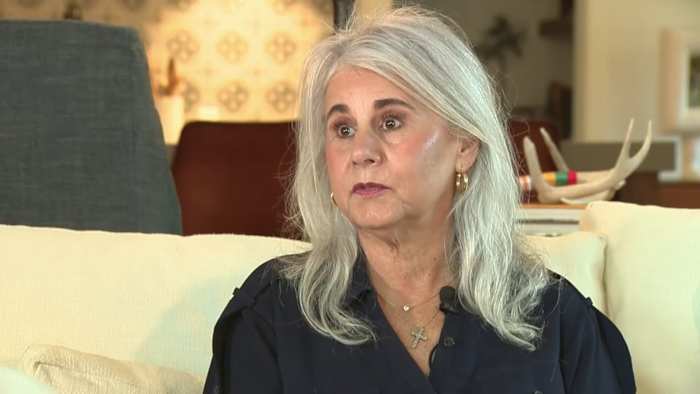
An Alamo Heights mother knows that pain firsthand. Maurine Molak lost her son to cyberbullying more than a decade ago — before AI became widespread.
“My 16-year-old son, David, died by suicide after a year-long battle with social media and online gaming addiction,” Molak said.
Molak, co-founder of David’s Legacy Foundation, has made it her mission to raise awareness about the dangers of social media and to push for stronger protections for children online.
“After David died, we knew that we wanted to make a change and give parents and schools and lawmakers better tools to be able to address cyberbullying,” she said.
Grief fuels legislation
Molak channeled her grief into advocacy that led Texas legislators to pass David’s Law in 2017.
The law requires school districts to include cyberbullying in their student conduct policies and notify a child’s parent if he or she is a victim or alleged aggressor.
“We will continue to see more laws out there criminalizing certain behavior online. And one of those is the sharing of non-consensual images,” Molak said.
AI deepfakes add new danger
With the rise of AI, local advocacy groups say online bullying has taken a troubling new shape.
“The last couple of years we’ve seen it is just kids using AI to create deepfakes, fake nude photos that aren’t really even real,” said Mandy Majors, founder of nextTalk.
Those images can spread through an entire school in minutes, before a parent ever finds out.
“We now have strengthened laws that provide clarity, require additional training, and create more guidance and support services for families and educators in these situations,” a spokesperson for Alamo Height ISD told KSAT.
A child who engages in online bullying could face school discipline, juvenile criminal charges or a lawsuit.
Molak says the most important thing a parent can do is make sure their child knows they are a safe place to turn.
“Children are going to experience harm online, and if they don’t think they can come to you, and trust you to help them get through it, you may really find yourself in a serious situation,” she said.
If a child is being targeted online, it can be reported to the school and to the platform where the content was shared.
More information about David’s Legacy Foundation is available online.